Why visit Sri Lanka?
If you’re travelling from India, you might wonder how different Sri Lanka will actually feel. There are definitely some familiar things, but once you get there, you’ll notice plenty that makes it different too.
One thing we loved about Sri Lanka was how much we could see in just a week. The country is small, so you don’t have to spend half your trip travelling between places. You save on travel time and costs, and get more time to actually enjoy the trip. The friendly people we met along the way were a nice bonus too.
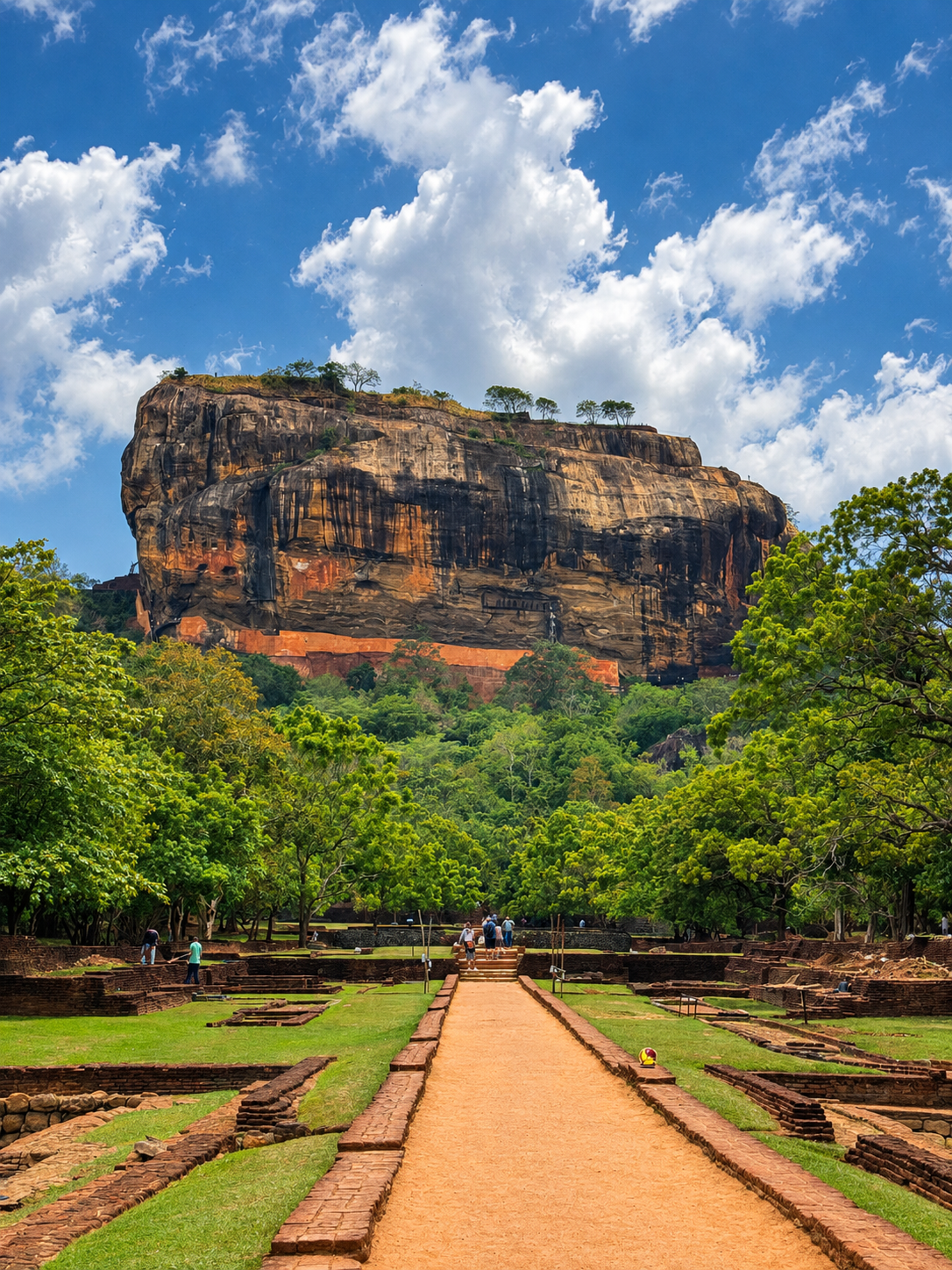
There are also so many little moments that make the trip memorable. Like chilling in an infinity pool with the ocean right in front of you while a train passes right between the pool and the sea. Or climbing up the fortress where Ravana is said to have lived.
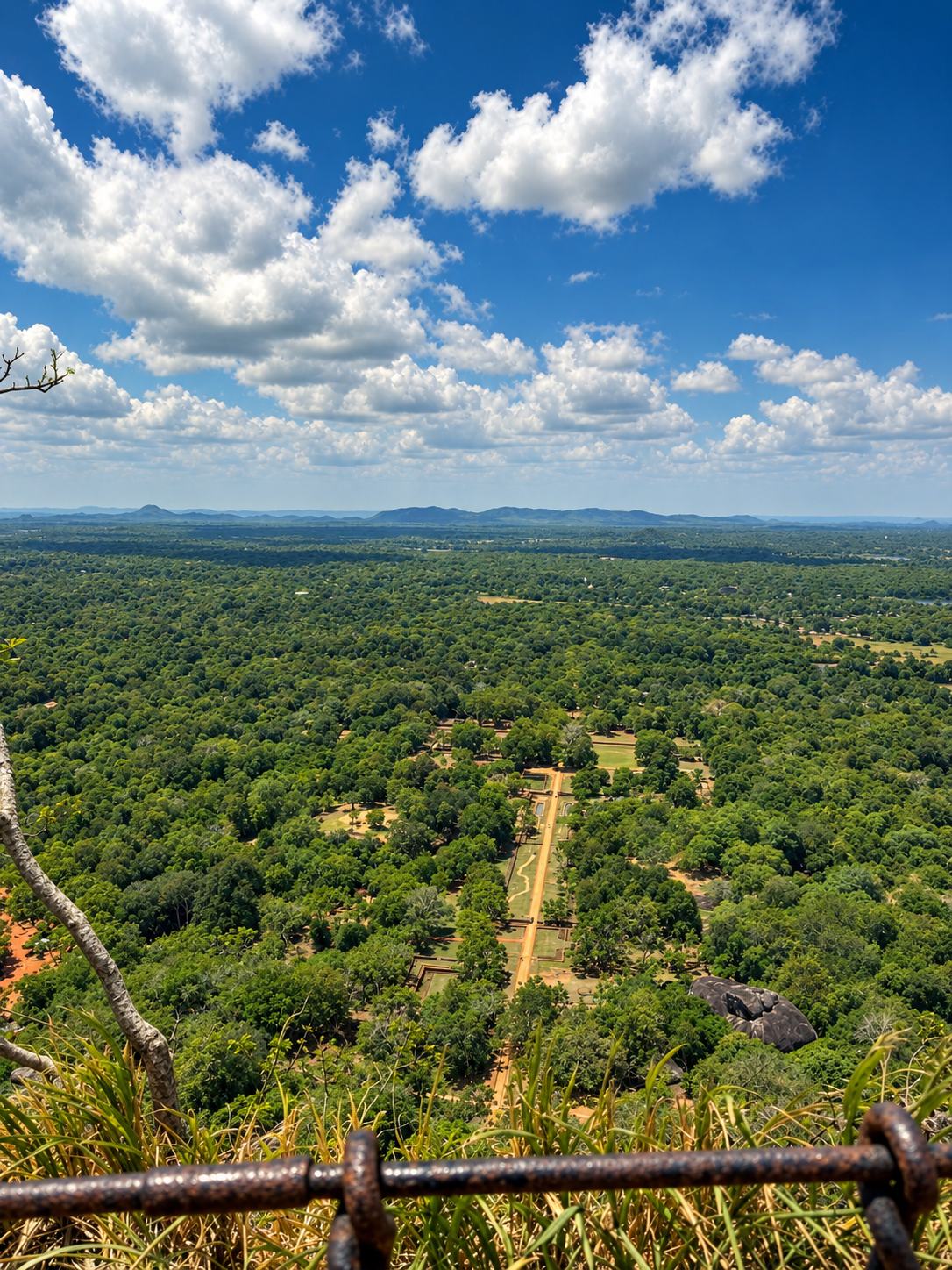
Mom and I actually did the hike, although I like to assume the Lilliputians carried Ravana up and down because those steps are SO narrow! Those windy stairs were scary, but reaching the top gave us such a sense of strength and achievement. Definitely worth the climb!
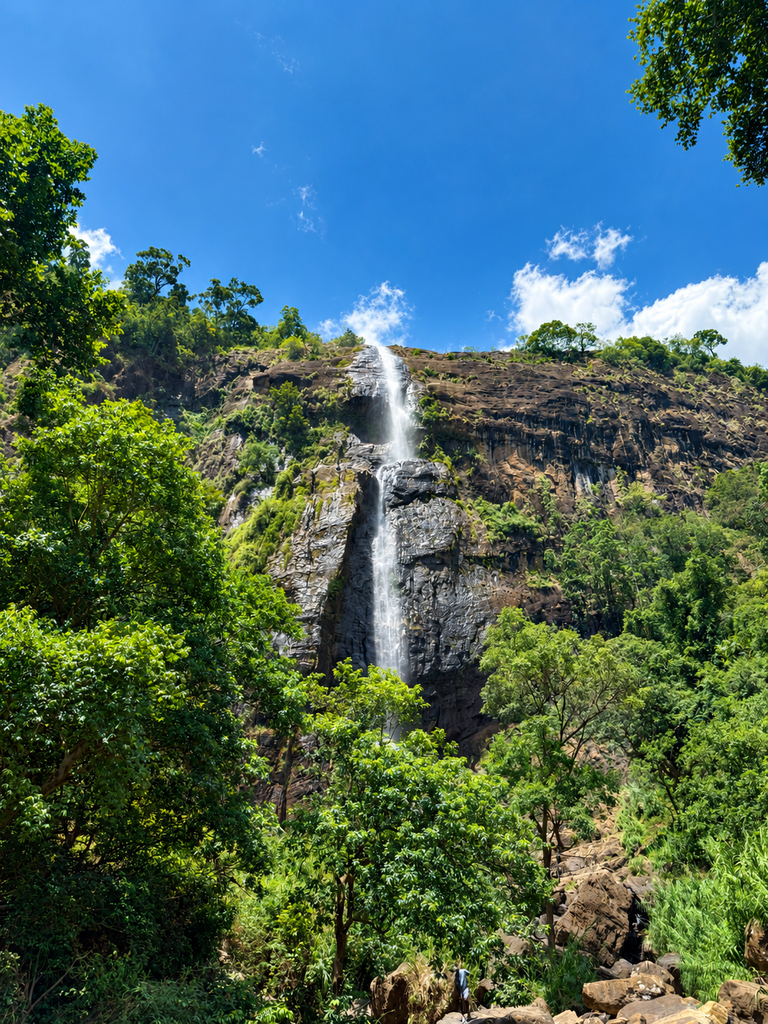
Then there was the beautiful train journey to Ella, the elegant roads of Galle, the majestic turtles in Ahangama and the incredibly unique natural infinity pool at Diyaluma.
And the best part? For us, the whole trip ended up being surprisingly good value compared to what we’d usually spend on a week-long holiday in India.
When should you plan your Sri Lanka trip?
One of the best things about Sri Lanka is that there is no single “right” season to visit. Thanks to two monsoon patterns affecting different parts of the island, there is almost always a sunny coast waiting somewhere.
December to March
If beaches are your priority, head to Sri Lanka’s west and south coasts during these months. Colombo, Galle, Bentota, Mirissa, and Unawatuna usually enjoy warm, dry weather and beautiful beach conditions.
If you’re travelling from India, this also lines up perfectly with the winter holidays. Wildlife lovers can plan a safari in Yala National Park too, where this period can offer some great animal sightings.
May to September
When the monsoon reaches the south and west, the east coast gets its moment in the sun. Trincomalee, Nilaveli, and the surrounding beaches usually have clear skies and calmer seas during these months.
It is also a good time for whale and dolphin watching. So if you’re looking for a sunny escape from India’s monsoon, the east coast is a great option.
April, October and November
These months fall between the main seasons and can be a good choice if you want fewer crowds and potentially lower hotel rates. Rain often comes in short showers rather than lasting throughout the day, so you can still comfortably plan sightseeing and cultural experiences.
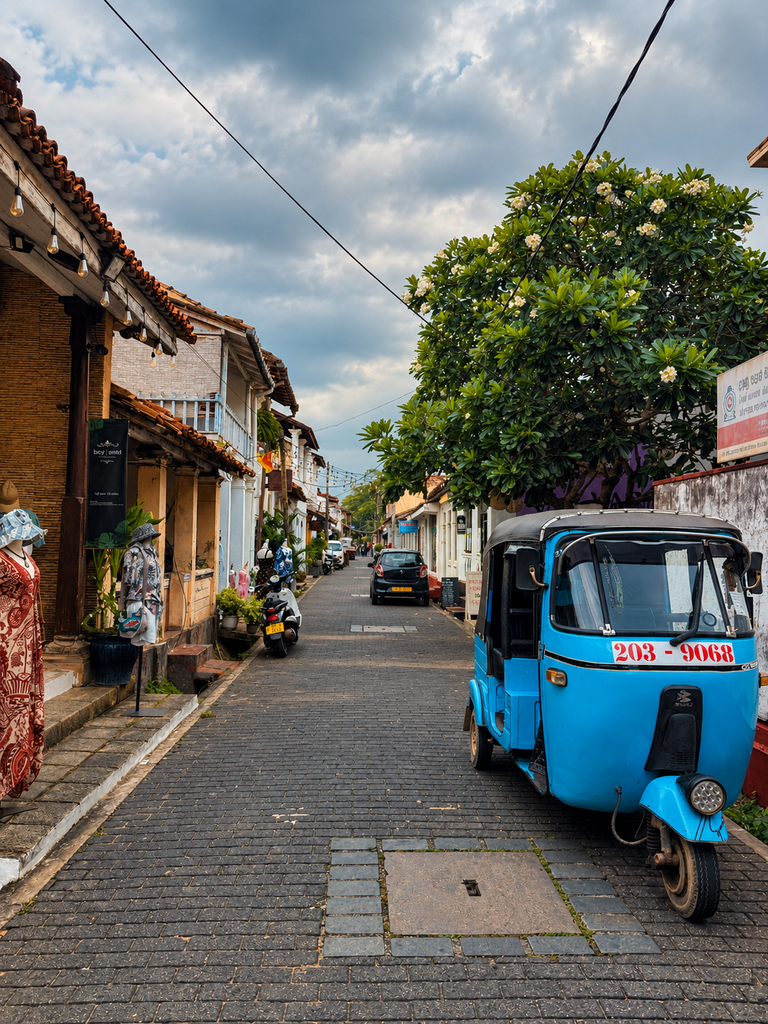
September and October are often considered less ideal because of the possibility of heavier rainfall. But we visited Sri Lanka in early October and honestly had a blast. We had a few showers along the south coast, but walking through the somehow calm and chaotic streets of Galle in the drizzle ended up being one of our favourite memories from the trip.
And what about the hills?
If you prefer cooler weather and mountains, you’re in luck. Kandy, Nuwara Eliya and Ella can be visited throughout the year, so you can easily add the hill country to your itinerary regardless of when you travel.
Our quick take: Planning a beach trip? Head to the south or west coast between December and March. If the east coast is on your list, May to September is a better time to go. The months around these periods can bring some rain, but they can still be worth considering if you’re okay with a few wet days.
Exploring Sri Lanka: Which Region Should You Visit?
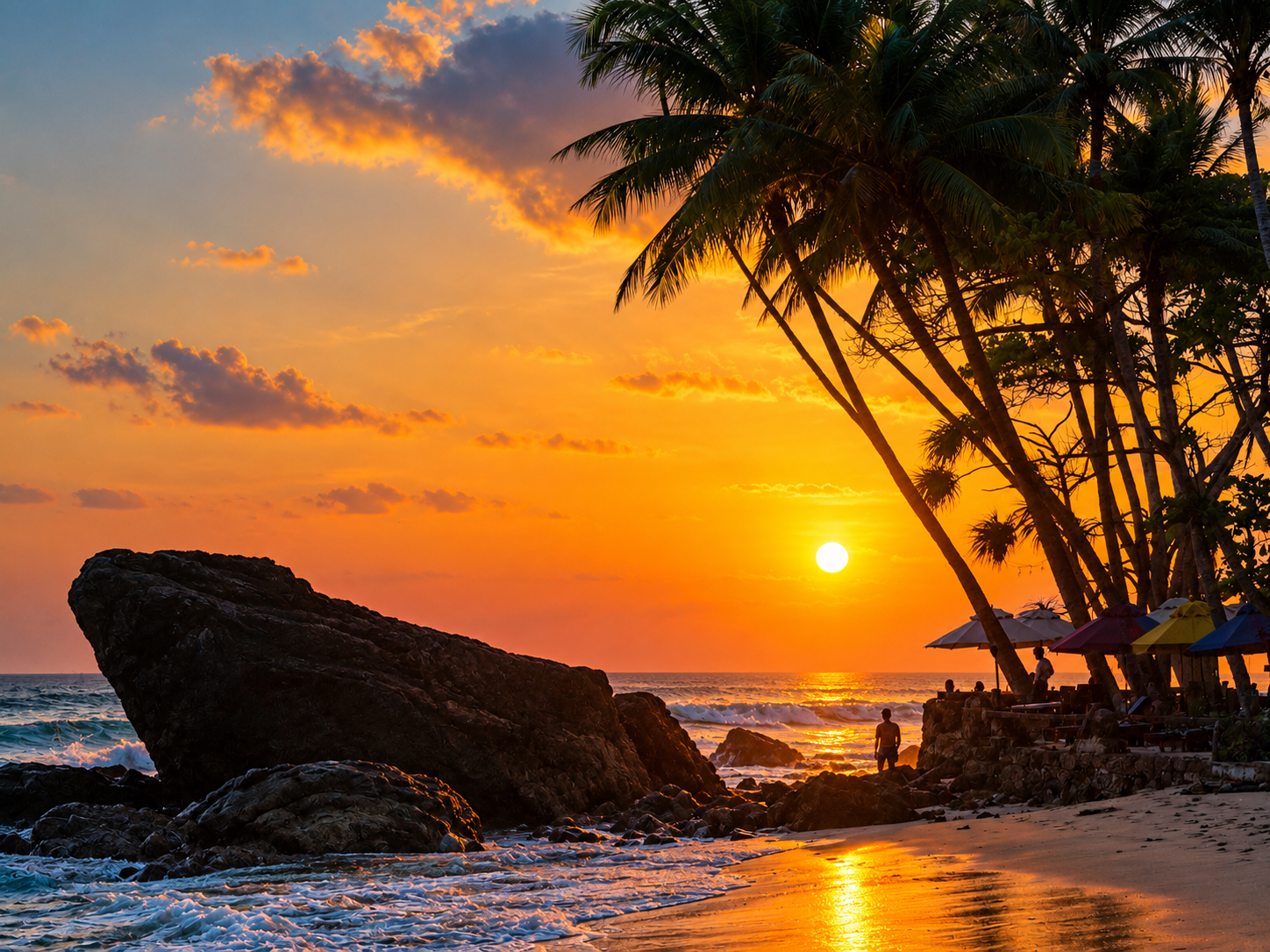
One of the best things about Sri Lanka is how much variety it packs into a small island. In just a few hours, you can go from climbing an ancient rock fortress to sipping tea in misty hills, then end the day watching the sunset on a tropical beach. Every region has its own personality, so where you go depends entirely on the kind of trip you’re looking for.
The Cultural Triangle: Sri Lanka’s Historic Heart
If it’s your first visit, the Cultural Triangle deserves a place on your itinerary. This region is home to some of the country’s most important historical sites, including Sigiriya, Polonnaruwa, Anuradhapura, and the Dambulla Cave Temple.
You’ll find centuries old kingdoms, impressive Buddhist monuments, ancient reservoirs, and archaeological ruins that reveal the story of Sri Lanka’s early civilization. Even if you’re not a history buff, standing on top of Sigiriya or wandering through the ruins of Polonnaruwa is an experience that’s hard to forget.
The Hill Country: Tea Estates and Scenic Train Journeys
As you head inland, the landscape changes completely. The warm coastal plains give way to cool mountain air, endless tea plantations, waterfalls, and winding roads through the hills.
Destinations like Kandy, Nuwara Eliya, and Ella are perfect if you enjoy nature, hiking, or simply slowing down for a few days. The train journey through the hill country is a highlight in itself, offering spectacular views of tea gardens, forests, bridges, and valleys that make the journey just as memorable as the destination.
The South Coast: Beaches with a Dash of History
The south coast blends laid back beach life with a rich colonial past. Galle is famous for its beautifully preserved Dutch Fort, charming cafés, boutique hotels, and oceanfront walks. Further along the coast, Mirissa, Bentota, and Unawatuna offer sandy beaches, calm waters, fresh seafood, and a relaxed atmosphere that’s perfect for unwinding.
If you’re visiting between November and April, Mirissa is also one of the best places in Sri Lanka to go whale watching, with blue whales and dolphins regularly spotted offshore.
The East Coast: Quiet Beaches and Clear Waters
If you prefer fewer crowds, head east. Places like Trincomalee, Nilaveli, Pasikudah, and Arugam Bay have a slower pace and some of the island’s clearest waters.
This is a great region for snorkeling, diving, and seasonal surfing, especially from May to September when the weather is at its best. It’s also a great option for travellers visiting from India during the summer monsoon, as the east coast is usually enjoying sunshine while other parts of the island receive rain.
Sri Lanka’s Wildlife Regions
Sri Lanka may be small, but it’s one of Asia’s top wildlife destinations. National parks such as Yala, Wilpattu, and Minneriya offer excellent safari experiences where you can spot elephants, leopards, crocodiles, sloth bears, deer, and an incredible variety of birds.
If your timing is right, Minneriya’s famous elephant gathering is one of the country’s most remarkable natural spectacles, with large herds gathering around the reservoir during the dry season.
Northern Sri Lanka
Got a few extra days? Head north. This part of Sri Lanka feels quite different from the usual tourist trail and is worth adding to your itinerary if you have the time. Jaffna is the cultural heart of the island’s Tamil community, known for its colourful temples, distinctive cuisine, nearby islands, and fascinating history.
It’s less visited than the southern beaches or hill country, but that’s part of its appeal. The slower pace and strong local identity make it one of Sri Lanka’s most rewarding regions to explore.
Visa Requirement
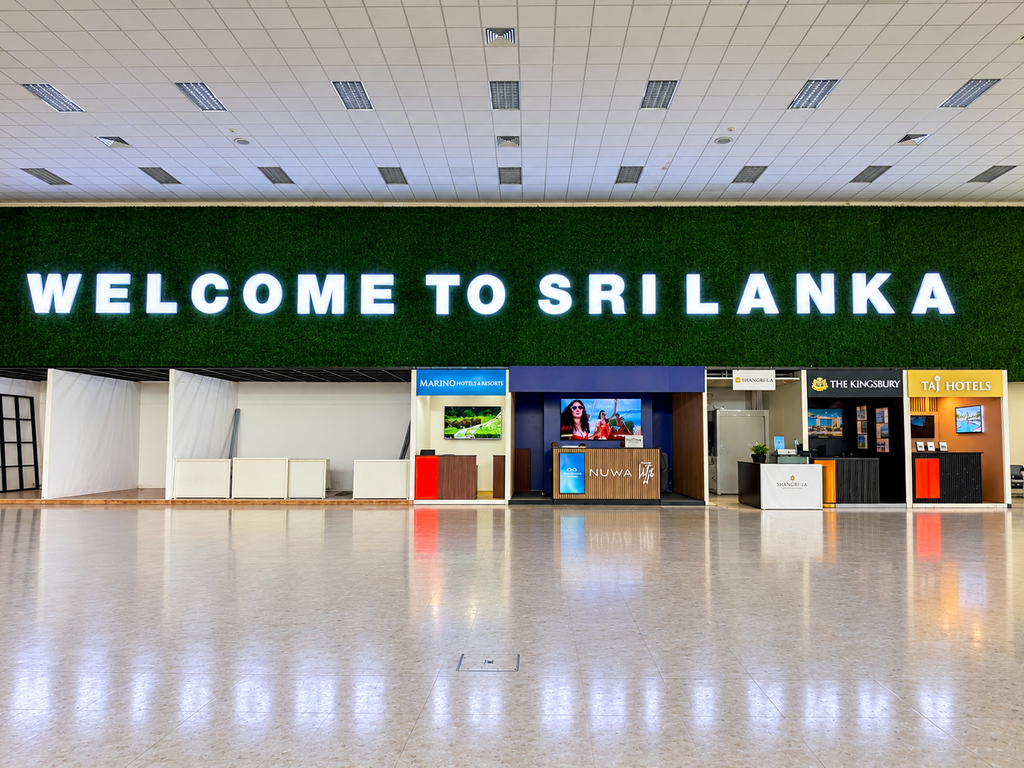
Getting the visa sorted for Sri Lanka was one less thing to worry about. We submitted our ETA application online before flying, and everything went through without any trouble.
Sri Lanka currently offers free tourist ETAs for up to 30 days to passport holders from several countries, including India. You still need to apply online before your trip, and the ETA allows two entries within the 30 day validity period.
Just head to Sri Lanka’s official ETA website and submit your application online before your trip.
Sri Lanka ETA website
At the airport, they checked our passports and tickets and that was pretty much it. No drama, no complicated paperwork, and we were on our way.
Tip: Visa rules can change, so always check the official ETA website before your trip for the latest information.
Budget
Let’s get to the part that probably matters most when planning the trip: how much did we actually spend?
Sri Lanka can fit different budgets, depending on how you travel. We weren’t trying to do it super cheap, but we weren’t going for luxury either. We travelled mid range, with a few splurges thrown in because, well, holiday.
For our 8 day trip, we spent around ₹1 lakh (about US$1,135) per person including flights. That covered our accommodation, private transfers, food, sightseeing, shopping and pretty much everything else we spent on.
Could we have spent less? Absolutely.
We could have saved around ₹25,000 per person. About ₹15,000 of that could have been saved by using public transport instead of private cars, and another ₹10,000 by being a little more sensible with our stays instead of splurging here and there.
So no, you definitely don’t need ₹1 lakh to visit Sri Lanka. We just like our holidays a little comfortable.
Where does your money go?
Accommodation
Hostel dorms: ₹800 to ₹1,600
Budget guesthouses: ₹1,800 to ₹4,000
Comfortable mid range hotels: ₹5,000 to ₹10,500
Food
Local meals: ₹130 to ₹260
Restaurant meals: ₹400 to ₹900
Transport
Private car with a driver: around ₹3,100 to ₹4,700 per day
Reserved train tickets: around ₹80 to ₹400
These are rough prices based on what we came across, so don’t treat them as fixed rates. Prices can change depending on the location, season and what you choose.
We used private cars for most of our intercity travel, and honestly, it made things a lot easier. If you’re trying to save money, trains and buses are much cheaper and can also be part of the experience.
One thing we noticed was that the south coast was a little more expensive. Galle and Ahangama cost us more than places like Sigiriya and Kandy, especially when it came to hotels and cafés. But by that point, we were happy to splurge a little.
Cash or card?
We carried cash in the local currency, Sri Lankan Rupee (LKR), quite often, especially in central Sri Lanka where smaller restaurants, cafés, shops and attractions didn’t always accept cards.
Once we reached the south coast, things were easier. Most of the hotels and larger restaurants we visited accepted cards, so we didn’t need to carry as much cash around.
ATMs were easy enough to find too, so getting cash wasn’t a headache.
One money saving tip for Indians
If you’re travelling on an Indian passport, ask about the SAARC rate before buying tickets at heritage sites. We found out about it at Sigiriya and it saved us a decent amount.
The regular foreigner ticket was around ₹3,000 when we visited, but we paid about ₹1,700 each with the SAARC rate.
And it’s not just Sigiriya. The Central Cultural Fund (CCF) offers relief tickets to tourists from SAARC countries at the heritage sites it manages. This includes places such as Sigiriya, Anuradhapura and Polonnaruwa, along with several other heritage sites and museums.
The amount you save can vary from one site to another, so don’t assume you’ll get the exact same rate everywhere. Just ask at the ticket counter before paying. And carry your original passport, because you’ll need a valid passport to get the SAARC rate.
So, how much do you actually need?
For us, ₹1 lakh INR (about US$1,135) per person including flights gave us a comfortable 8 day trip with private transfers, good stays and a few little splurges.
But you can definitely do it for less. Use public transport, pick guesthouses or hostels, eat more local food and keep the fancy cafés and stays to a minimum, and your budget can come down quite a bit.
If you’re a proper budget traveller, under ₹50,000 excluding flights is a realistic target to work towards, depending on where you stay, how you travel and how much you spend along the way.
We’ll also put together a separate guide on how to do Sri Lanka for under ₹50,000 per person, excluding flights, with the actual ways you can cut down the cost without making the trip miserable.
Getting Around Sri Lanka
Sri Lanka looks tiny on a map, but getting from one place to another can take longer than you’d expect. The mountain roads are winding, traffic can slow you down, and some journeys are simply longer than they look. The upside? The views make the travel time feel like part of the trip.
In one week, we went from ancient ruins in Sigiriya to the hills around Ella and Nuwara Eliya, and then down to the south coast. So you can see quite a lot without spending your entire trip travelling.
For the first three nights, Mom and I travelled by private taxi, and honestly, we’d recommend it if it fits your budget. We pre booked all our intercity transfers with LessTaxi before we arrived, which made everything much more stress free. The drivers were on time, the cars were comfortable and the prices were reasonable for the convenience.
Our plans changed a little along the way. We had originally booked a Go2 bus from Colombo to Ella, but then realised we could save time by adding Sigiriya as a stop along the way. So we cancelled the bus and hired a taxi instead, travelling from Colombo to Sigiriya and then on to Ella. It gave us the freedom to change things around and travel at our own pace.
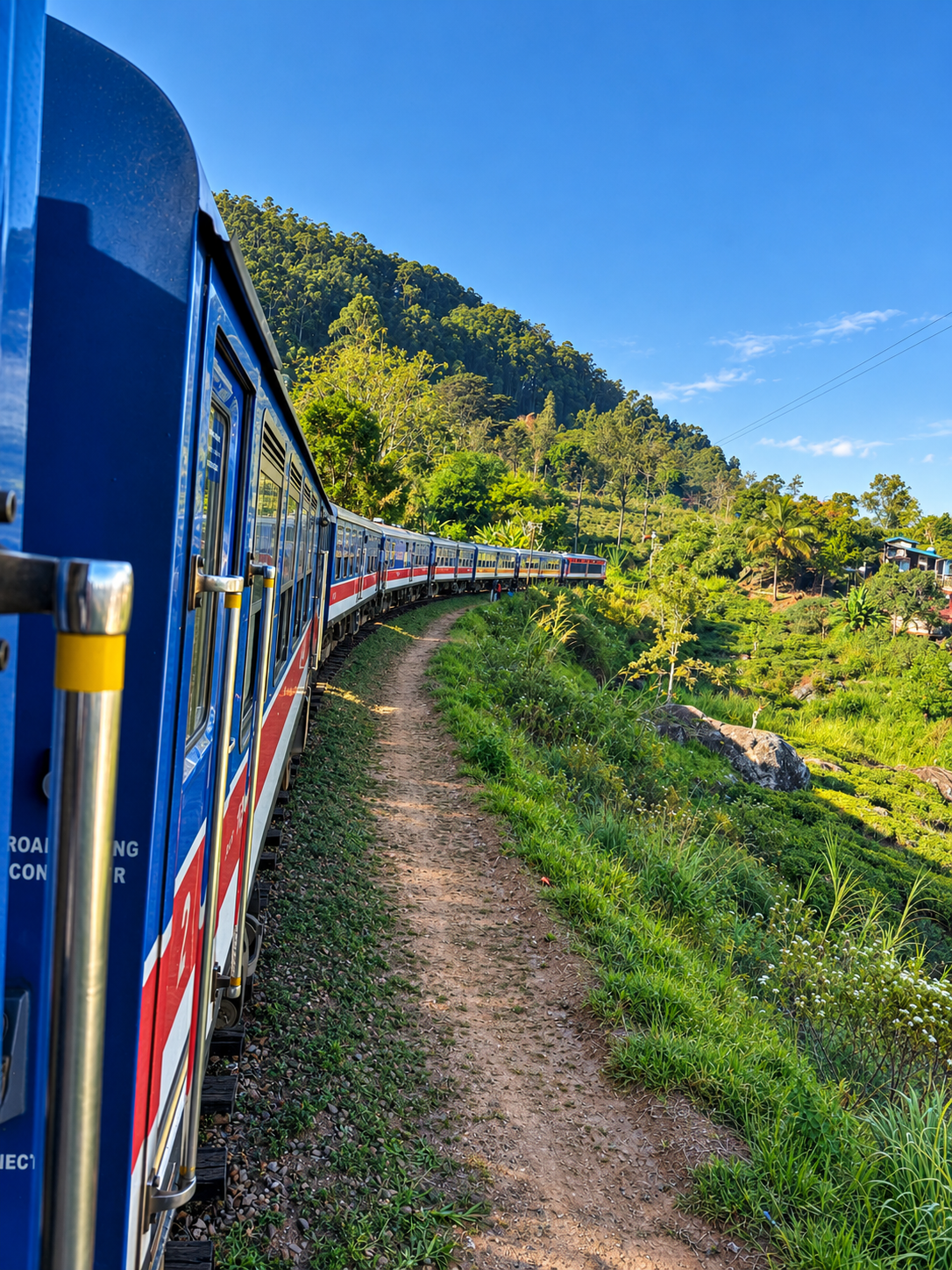
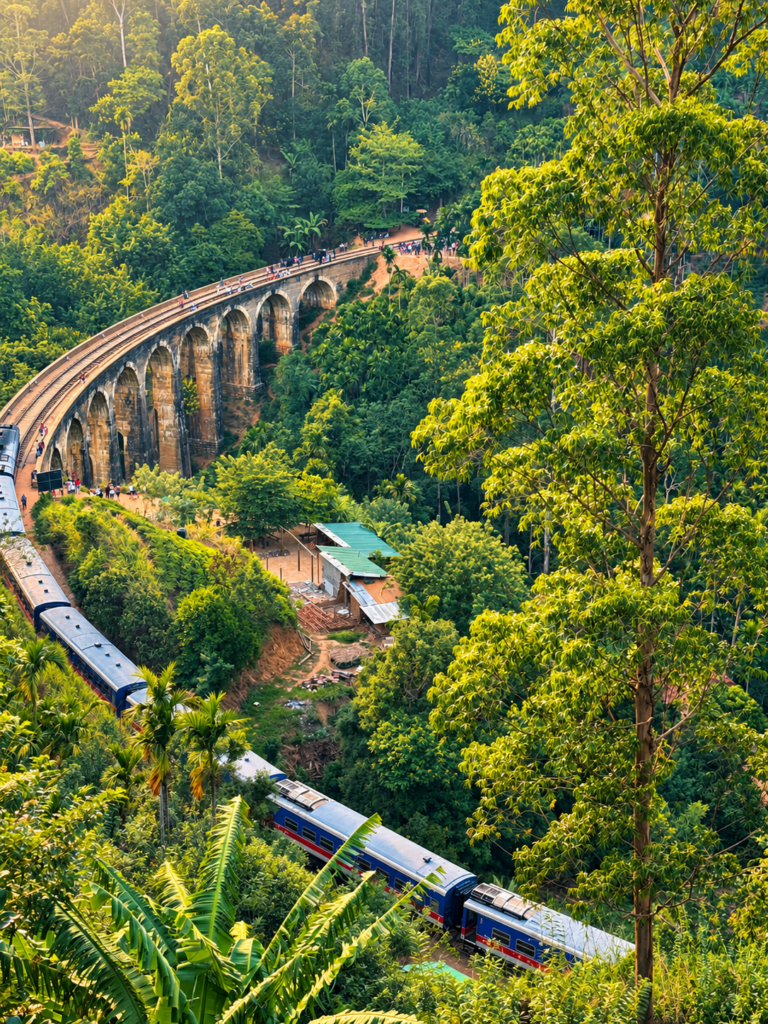
We also didn’t want to leave Sri Lanka without experiencing the famous hill country train. We couldn’t fit in the full Kandy to Ella route, so we took the Ella to Nuwara Eliya (Nanu Oya) train instead. It was still one of our favourite parts of the trip, with tea plantations, mountains, tunnels and tiny stations along the way.
We didn’t stay overnight in Nuwara Eliya because, for us, the train journey was the highlight. After reaching Nanu Oya, we continued towards Colombo. Mom then headed home, and I met up with my friends before continuing to Ahangama for the south coast.
If you’re travelling on a tighter budget, you can easily use Sri Lanka’s trains and buses to get between major towns. They’re slower, but much cheaper. For shorter distances, tuk tuks are everywhere, and in bigger towns we found PickMe useful for booking rides without having to negotiate fares.
Approximate travel times
Colombo → Sigiriya: roughly 4–5 hours
Sigiriya → Ella: roughly 4–5 hours
Ella → Nuwara Eliya (Nanu Oya) by train: about 3 hours
Nuwara Eliya (Nanu Oya) → Colombo: around 5–6 hours
Colombo → Ahangama: around 2.5–3 hours
If there’s one thing we’d tell you, it’s this: don’t plan your itinerary based only on what looks close on the map. Give yourself enough time between places. You’ll enjoy the trip much more when you’re not constantly rushing to the next destination.
Is Sri Lanka Safe to Visit?
If you’re wondering whether Sri Lanka is safe to visit, we felt completely comfortable throughout our trip.
I travelled with my mom for the first three nights, starting with a simple homestay in Negombo near the airport. After Mom headed back, I met up with my then boyfriend, now husband, yay!, and a group of friends and continued exploring the south coast.
In both situations, I felt comfortable travelling around and never had any major safety concerns.
Of course, the usual precautions apply. Keep your valuables secure, avoid carrying too much cash and use trusted taxis or ride hailing apps. Drink bottled or filtered water, carry mosquito repellent and remember to dress appropriately when visiting temples.
Overall, Sri Lanka felt friendly, welcoming and easy to travel around, and I’d happily go back again.
Food in Sri Lanka
If you’re travelling from India, especially from South India, Sri Lankan food will feel pretty familiar. We found quite a few similarities with Tamil cuisine, although the flavours were generally much milder than what we’re used to back home.
To be honest, food wasn’t the highlight of the trip for us. A lot of what we tried felt a little bland compared to Indian food, but there were still a few things we really enjoyed.
Rice and curry is probably one of the meals you’ll come across most often. It usually comes with rice, dhal, sambol and a mix of vegetable, fish or chicken curries. We actually loved this because every place seemed to have its own little combination, so it never felt exactly the same.
For breakfast, you’ll come across hoppers, which are quite similar to South Indian appam. Egg hoppers have an egg cooked right in the middle, while string hoppers are basically idiyappam served with curries and sambol.
We were also really looking forward to trying kottu roti because we’re huge fans of kothu parotta. Sadly, the Sri Lankan version we had was much milder and didn’t quite hit the spot for us. But that’s just our taste, so definitely try it yourself before deciding.
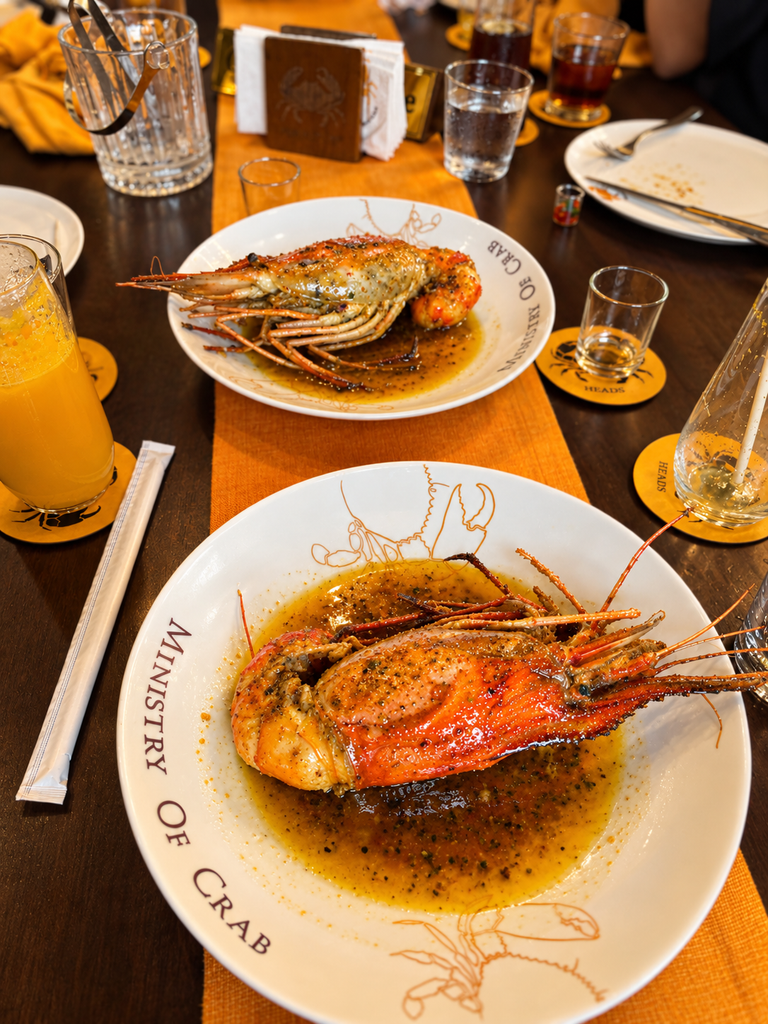
If you’re a seafood person, the south coast is where you want to eat your way through the menu. Fresh fish, prawns, crab and calamari are easy to find, especially around Galle and Ahangama.
And then there’s Ceylon tea, which obviously deserves a mention. Grab a cup while you’re there, and don’t leave without trying a fresh king coconut either. Nothing beats one when you’re melting in the Sri Lankan heat.
Overall, if you’re coming from India, don’t expect Sri Lankan food to feel completely unfamiliar. For us, it was more like familiar food with a different twist. It was comforting, easy to eat and definitely much lighter on the spice. If you need your food to have a serious kick though, you might find yourself reaching for the chilli!
How You Can Plan Your Sri Lanka Route
When I first started planning our Sri Lanka trip, I had a huge list of places I wanted to see. But once I looked at the travel times, I realised we’d spend more time on the road than actually enjoying the places.
So I cut down the itinerary, and honestly, it was one of the best decisions we made.
If you have around 10 days, you can do:
Colombo or Negombo → Kandy → Sigiriya → Nuwara Eliya → Ella → Yala → South Coast → Colombo
Days 1 and 2: Kandy and Sigiriya
Start with Kandy, where you can visit the Temple of the Sacred Tooth Relic and Kandy Lake, before heading to Sigiriya.
Spend a day exploring Sigiriya Rock Fortress and, if you have time, add the Dambulla Cave Temple.
Day 3: Nuwara Eliya
Head into the hill country towards Nuwara Eliya, known for its tea plantations, cooler weather and beautiful landscapes.
Day 4: Nuwara Eliya to Ella
Take the scenic Nanu Oya to Ella train through tea plantations, misty mountains and little railway stations. Most people do Kandy to Ella, but this shorter section still gives you that classic Sri Lankan train experience.
Days 5 and 6: Ella
Spend two days exploring Ella, including Nine Arch Bridge, Little Adam’s Peak and the surrounding waterfalls.
We spent two nights here and loved the relaxed atmosphere. One of my favourite things was simply walking along the railway tracks from our stay into town, surrounded by greenery and mountains.
Day 7: Yala
If wildlife is a priority, head to Yala National Park for a safari. You could spot elephants, crocodiles, birds and, if you’re lucky, leopards.
Days 8 to 10: South Coast
Finish your trip along the south coast.
Ahangama is great for cafés, surfing and a relaxed coastal vibe.
Mirissa is better if you want beaches, a livelier atmosphere and whale watching during the right season.
Galle is perfect for history lovers. Spend a day exploring Galle Fort, its colonial streets, cafés and shops.
What we did in 8 days
We had only 8 days, so we simplified the route and skipped Kandy and Yala.
Our route was:
Negombo → Sigiriya → Ella → Colombo → Ahangama → Galle
We spent two nights in Ella and three nights in Ahangama, which gave us enough time to explore without constantly packing and moving.
If you only have a week, pick the places you really want to experience instead of trying to fit everything in. If you have extra days, Kandy and Yala are easy additions.
The biggest lesson from our trip? Don’t underestimate travel time. Sri Lanka is small, but you don’t want your holiday to become one long road trip.
Where to Stay in Sri Lanka
Sri Lanka has something for pretty much every kind of traveller, whether you’re looking for a basic guesthouse, a hostel, a cute boutique hotel, a beach villa or a full on luxury resort.
One thing we realised pretty quickly, though, is that choosing the right area can matter just as much as choosing the right property. A good base can save you a surprising amount of time getting around, especially when you’re moving between different parts of the island.
Guesthouses and Homestays
Guesthouses and homestays are great for Negombo, Sigiriya, Ella and Kandy, especially if you want something affordable and more personal. Many are family run, and hosts can often help with transport, food and local recommendations.
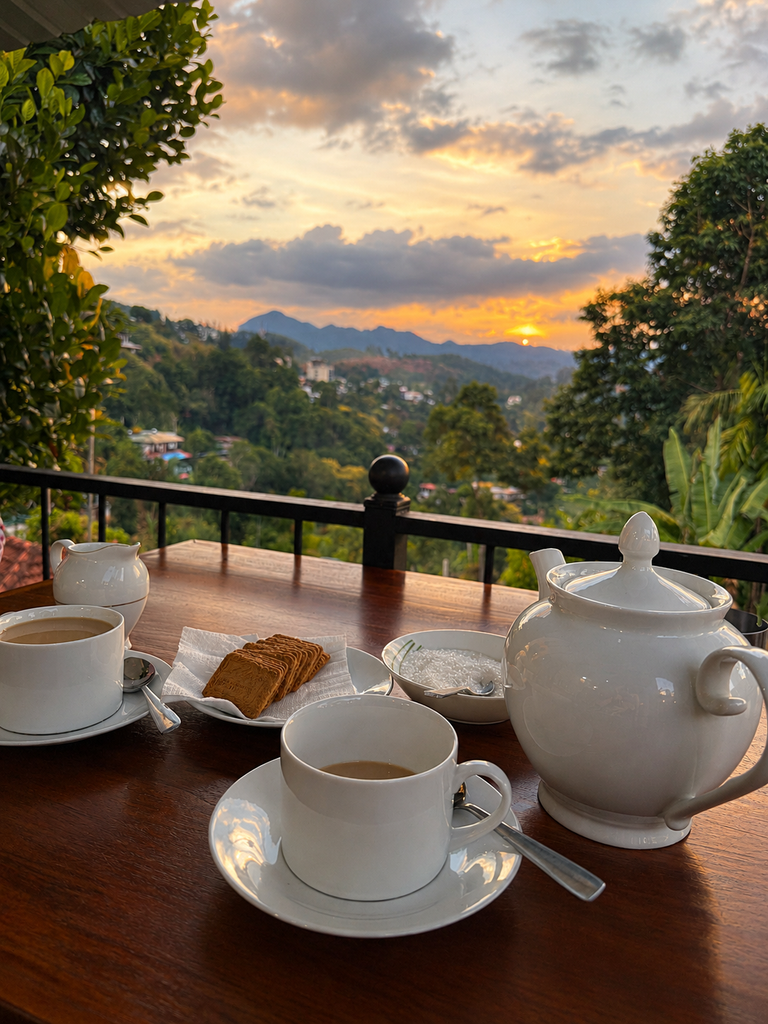
We stayed at a simple guesthouse in Negombo on our first night. It wasn’t fancy, but being close to the airport made it perfect after a long flight. In Ella, our homestay was right near the railway tracks, which meant we could easily walk into town and enjoy the beautiful surroundings.
Boutique Hotels
Boutique hotels are a good choice if you want something more comfortable without necessarily going all the way to a luxury resort. Sri Lanka has plenty of properties with unique designs, beautiful views and local character.
You’ll find them across Colombo, Galle, Ella, the hill country and the south coast. We stayed at Granbell Hotel Colombo, where the infinity pool overlooking the railway tracks and ocean was definitely the highlight. Sometimes, the hotel itself can become part of the experience.
Beach Stays and Villas
The south coast has plenty of options, from simple beach guesthouses and surf stays to private villas and resorts. Ahangama, Mirissa, Unawatuna and Bentota all offer slightly different experiences.
Ahangama is great for cafés and surfing, Mirissa for beaches and whale watching, Unawatuna for a more convenient beach stay near Galle, and Bentota for a relaxed resort holiday. We stayed in a villa in Ahangama with friends, which gave us plenty of space to slow down after several days of travelling.
Eco Lodges and Nature Stays
If you’re visiting Sri Lanka for its wildlife and landscapes, an eco lodge or nature stay can make the experience even better. These are particularly popular around Yala, Udawalawe and the Hill Country.
Many are surrounded by forests, tea plantations or open landscapes, so you get a quieter stay while being close to nature. They can also be convenient if you’re planning an early morning safari or spending your days hiking and exploring.
Hostels and Budget Stays
If you’re trying to keep accommodation costs low, Sri Lanka has plenty of hostels, dorms and budget guesthouses to choose from. You’ll find options in popular spots like Colombo, Ella, Mirissa and Arugam Bay.
They’re especially handy if you’re travelling solo or backpacking, but you don’t always have to sleep in a dorm either. Many places have private rooms, so you can keep the cost down without completely giving up your privacy. And if you’re travelling alone, they can be a fun way to meet people along the way.
Overall, Sri Lanka has a good mix of accommodation for every kind of trip. Choose the location first, then pick the type of stay that suits your budget and travel style.
Sri Lanka Travel FAQs
How many days do I need?
7 to 10 days is enough for a good first trip. Have 12 to 14 days? Even better. You can slow down instead of playing “how many cities can I squeeze into one holiday?”
Is Sri Lanka expensive?
Not really! You can do it on a budget with hostels, local food and public transport. Private cars, nicer hotels and fancy experiences will obviously make your wallet cry a little.
For our 8 day trip, we spent around ₹1 lakh INR (about US$1,135) per person including flights, but we could have saved about ₹25,000 with cheaper stays and public transport.
Is Sri Lanka family friendly?
Yes. Beaches, wildlife safaris, scenic trains and plenty of easy sightseeing make it a pretty fun family destination.
Do I need cash?
Carry some. Cards worked well for us at bigger hotels and restaurants, but smaller shops, cafés, attractions and tuk tuks often preferred cash.
Is Wi Fi good?
Generally yes, especially in tourist areas. Our Ella homestay was the exception, where the Wi Fi was a little moody.
What should I pack?
Think light clothes, sunscreen, mosquito repellent, comfortable shoes and a light jacket for the hills. I carried a sweater expecting Ella and especially Nuwara Eliya to be chilly in late September, but it was super sunny!
Add modest clothes for temples and a rain jacket too, because Sri Lanka weather likes surprises.
What’s the best time to visit?
It depends on where you’re going. December to March is great for the south and west, while May to September works better for the east.
We went in early October, which isn’t usually considered the ideal time, and still had an amazing trip. A little drizzle in Galle actually made our walk there even better!
Can I use public transport?
Absolutely. Trains and buses connect most major places and are very affordable. We used private cars for most of our trip because we wanted flexibility, but the train journey was one of our favourite experiences.
What’s the biggest mistake to avoid?
Trying to do too much.
Sri Lanka may look tiny on the map, but those winding roads have other plans. Pick a few places, slow down and actually enjoy them.
And trust us, you don’t need to collect destinations like Pokémon.
Leave a Reply